What we can learn from the Great Depression
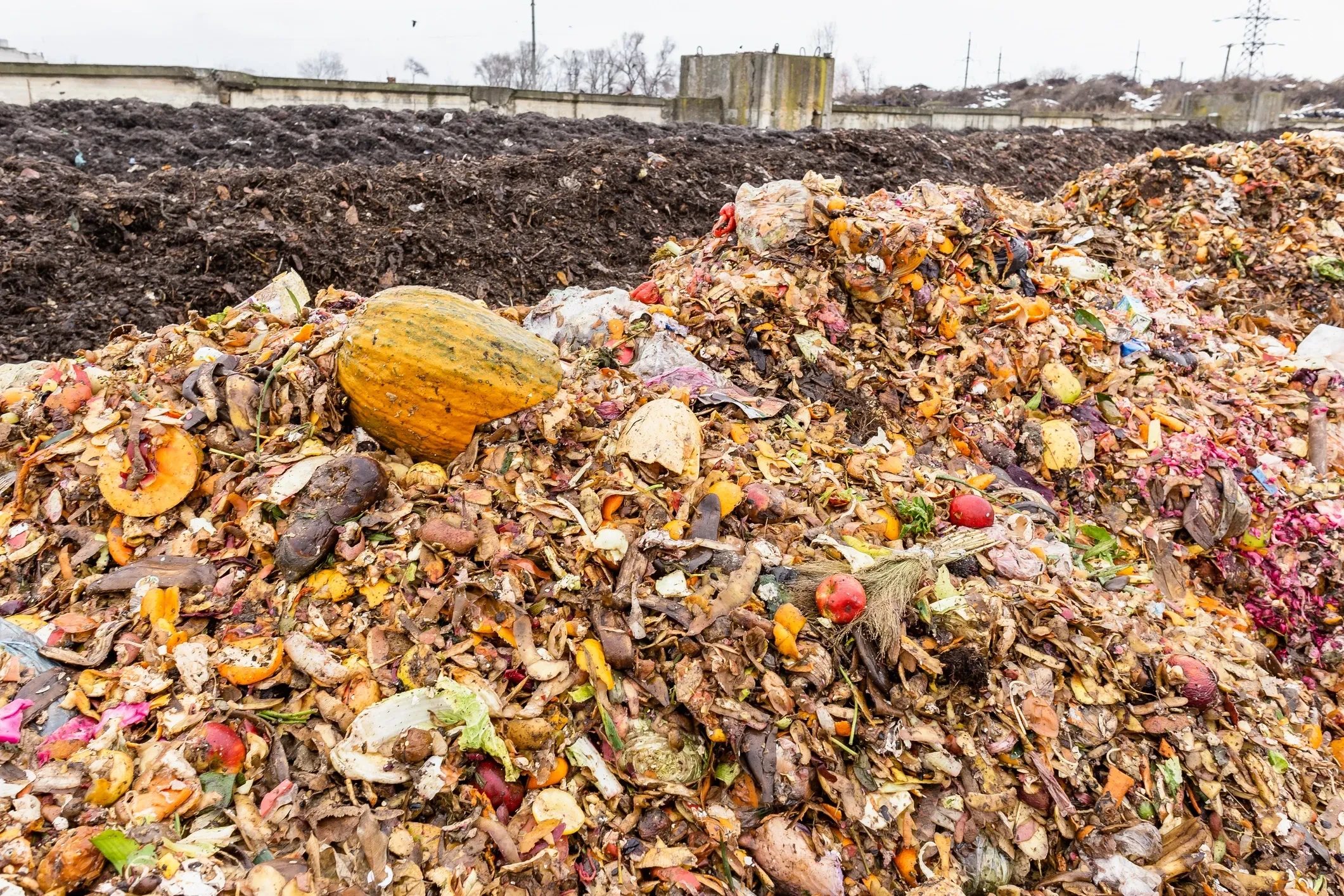
The generation that lived through the 1930s developed a set of kitchen habits that are well suited to today’s cost of living crisis. Nothing was thrown away, stale bread became pudding, bones became broth, scraps became soup. Their recipes were simple, with minimal waste and extraordinary creativity.
Key points
- Depression-era cooks fed families on almost nothing by making every ingredient count
- Dishes like Depression Soup and Hoover Stew were built from whatever was on hand
- Bread, beans, and potatoes formed the backbone of most households’ diets
- The frugal habits of that generation are a practical guide for managing today’s grocery bills
The Great Depression of the 1930s was one of the most severe economic collapses in modern history. Unemployment in North America peaked at around 25 percent. Families who had been comfortable soon found themselves with almost nothing. Feeding a household on next to nothing became an urgent daily problem. The solutions they found are worth rediscovering today.
Depression-era cooking was defined by a few core principles. First, nothing was wasted. Stale bread was soaked in milk and fried, or turned into a savoury pudding. Vegetable peelings and bones went into a stockpot. Leftover porridge was sliced and fried the next morning. Fat rendered from cooking was saved in a tin and used again. Every edible thing had a second use, and often a third.
Second, cheap staples were treated with respect and imagination. Beans, lentils, potatoes, oats, and flour were the core ingredients in monst recipes. Bean soup was thickened with a handful of oats, potato pancakes were fried in a bit of lard, cornmeal porridge was sweetened with a little molasses. The goal was not just to fill stomachs but also to create something that tasted good, even when the ingredients cost almost nothing.
Third, cooking was communal and practical. Batch cooking optimized both fuel costs and effort. A pot of beans cooked on Sunday fed the family across several meals during the week. Bread was baked at home because it was far cheaper than buying it. Neighbours shared surplus produce from kitchen gardens. The social infrastructure around food was tighter and more resourceful than most of us are used to today.
These principles work just as well today. Money saved on groceries, all while still eating well, can be put towards other goals. The recipes that came out of the 1930s are practical, nutritious, and often genuinely delicious. Here are seven Depression-era dishes and techniques worth bringing back, adapted by online content creators who are featuring low-cost recipes:
- Depression Soup by Ancestors in Aprons: A catch-all vegetable soup made from whatever is in the kitchen, sometimes with added beans and thickened with a handful of oats or barley
- Hoover Stew by Kent Rollins: A simple one-pot dish of canned tomatoes, macaroni, hot dogs, and corn
- Potato soup by Our City Homestead: Potatoes simmered in water or thin broth with onion and a little fat, and finished with a splash of milk, if available
- Bread pudding by slurrp: Stale bread soaked in a mixture of egg, milk, and a little sugar, baked until set
- Bean and ham hock soup by the Kitchn Dried beans slow-cooked with a smoked ham hock, producing a rich, filling broth
- Fried cornmeal mush by Kent Rollins: Leftover cornmeal porridge sliced and fried in a little fat, served with syrup or alongside eggs; a filling breakfast for almost nothing
- Vinegar pie by SOUTHERN BITE: Depression-era dessert made from pantry staples when fruit was unavailable, with a custard-like filling built from eggs, sugar, butter, and a splash of vinegar