
Cabbage versus lettuce - Which one delivers more nutrition per dollar?
Cabbage is generally more nutritious and cheaper than lettuce. It is also much more shelf stable and in many recipes it can be a good substitute for lettuce. Well suited for colder climates cabbage is a daily staple in many countries, especially in Northern and Eastern Europe.
The Facts
- Cabbage provides more vitamins, minerals, and fiber per calorie compared to lettuce
- It is much cheaper by weight than lettuce
- It has a much longer shelf life than lettuce
- It can be a good substitute for lettuce
- It’s a very versatile staple used in many low-cost recipes around the world
Cabbage is more nutrient-dense than lettuce
Cabbage provides more vitamins, minerals, and fiber per calorie compared to most lettuce varieties.
- The vitamin C, vitamin K, and fiber content in cabbage is generally much higher than in most lettuce varieties
- Cabbage also contains minerals and other beneficial compounds that lettuce cannot deliver
- Dark green romaine lettuce and red leaf lettuce win in Vitamin A and folate content
Cabbage is cheaper than lettuce
When money is tight, it is important to get the most nutrition for the least amount of money. In that respect, cabbage beats lettuce hands down by weight, especially when comparing a head of cabbage with a clam-shell of loose-leaf lettuce. Another reason why cabbage ends up being cheaper is because of its longer shelf life and less spoilage.
Cabbage produces less waste than lettuce
Lettuce is the most wasted food item, because it is difficult to use up before it goes bad.
- Only 25% of an entire lettuce harvest ends up actually being consumed
- In part this is because of it’s delicate nature and loss during harvest and transport
- Most of the loss happens at home though, with 45% of Canadians saying that they regularly throw lettuce out because of spoilage and its short shelf life
- A whole head of lettuce may last only 1 to 3 weeks, while loose leaf lettuce spoils within 3 to 7 days
Cabbage on the other hand is much easier to store for an extended period of time and tends to be used up before it spoils.
- A whole head of cabbage can last up to 2 months in the fridge, while shredded cabbage can last up to 10 days
- Before a bag of shredded cabbage reaches its Best Before date, it can be frozen and later added to soups, stews, chilis, or even mashed potatoes
Cabbage can be a substitute for lettuce
Lettuce has a milder flavor and a different texture compared to cabbage, but there are many recipes where cabbage might be a suitable substitute.
- Coleslaws made from various cabbages replace a green side salad
- Softer cabbages, such as Napa, can replace lettuce in meal salads
- Cabbage is a good substitute for lettuce in tacos, wraps, burgers, and sandwiches
Cabbage is very versatile
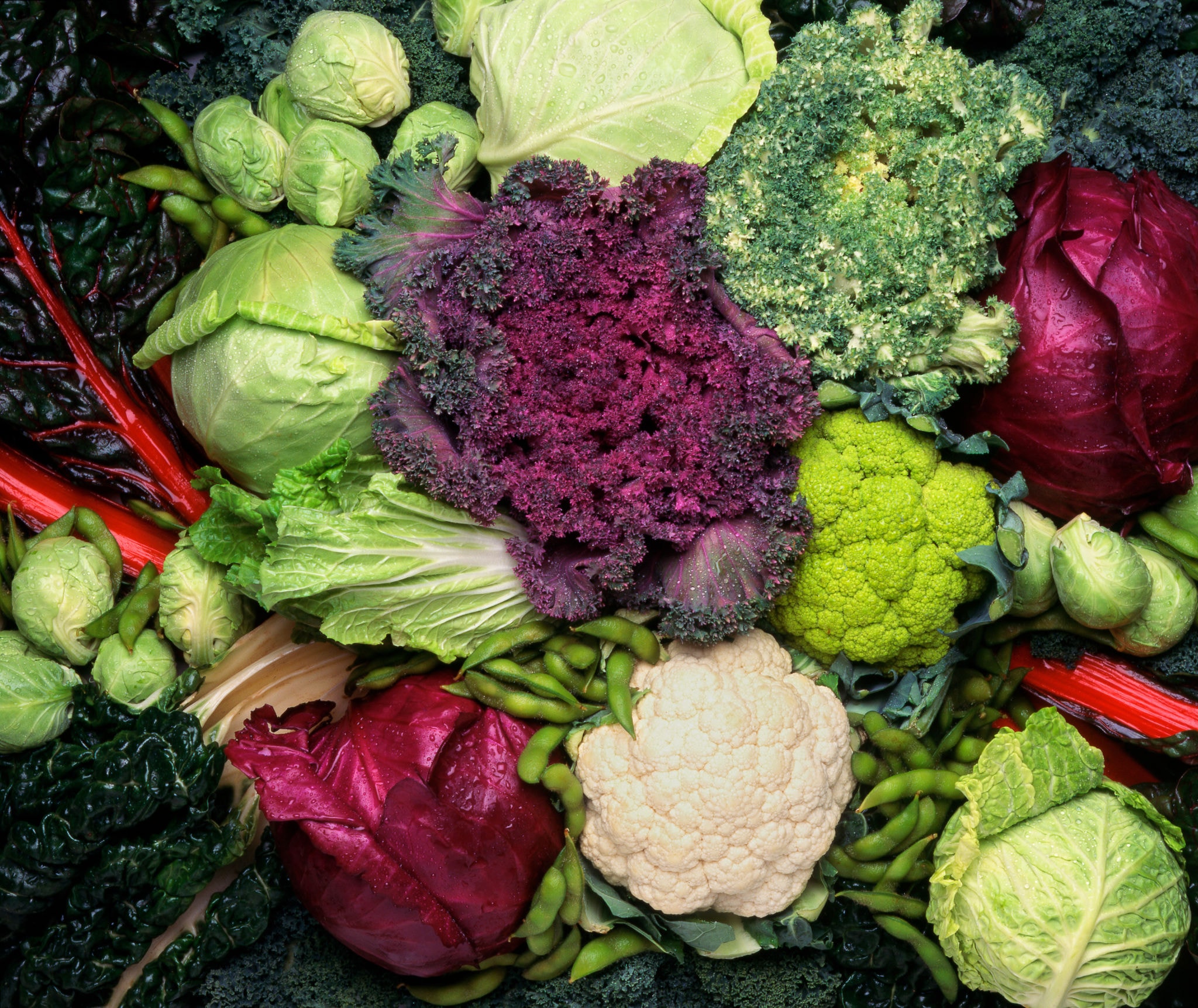
Cabbage comes in many varieties and is being used in a wide range of dishes. Here are some of the best-known ones and a few lesser-known ones as well.
- Coleslaw, finely shredded cabbage in a dressing, by The Heritage Cook
- Cabbage Rolls, cabbage leaves stuffed with rice and pork simmered in tomato sauce, by Recipe Tin Eats
- Corned Beef and Cabbage by allrecipes, or the cheaper home-made [corned pork]” https://jahzkitchen.com/corned-pork/” by Jahzkitchen
- Red Cabbage, 23 recipes by FOOD52
- Irish Colcannon by Culinary Ginger, similar to Scottish Rumbledethumps and the English Bubble and Squeak
- Okonomiyaki, a Japanese cabbage pancake, by Quite Good Food
- Sauerkraut, home-made, by Daring Gourmet, or from a jar by Encore and More
- Napa Cabbage Kimchi, spicy fermented Korean cabbage, by Forged Mettle Farm
- Russian cabbage dishes such as Shchi cabbage soup, Vinegret salad, cabbage cutlets, Pirozhki, and Golubtsy by Russian Kitchen make for comforting low-cost meals that are rich in nutrition and taste